
Just This Once
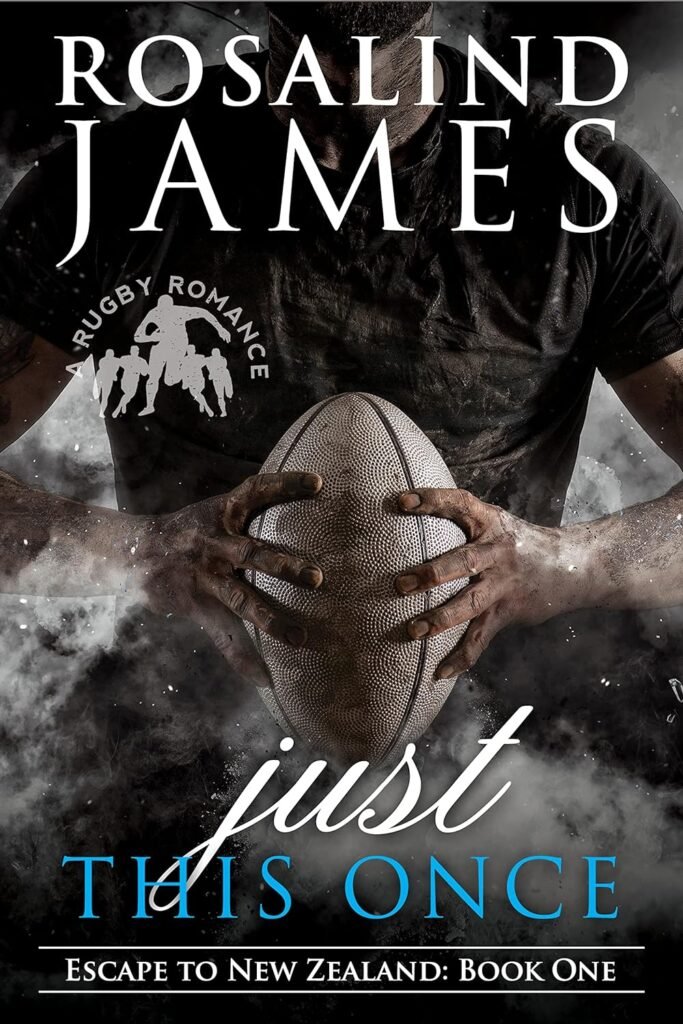
This book should have been a novella. The premise is fine for 150 pages: a San Francisco marketing executive, burnt out and in need of a break, books a solo trip to New Zealand. On her first day, she’s caught in a riptide and rescued by a man who turns out to be the most famous athlete in the country—Drew Callahan, captain of the All Blacks. Sparks fly. Sex follows. So far, so good.
But the novel doesn’t stop there. It stretches that set up into a full-length book, and in doing so, reveals just how little story it has to tell. The very long middle is especially aimless, with chapters that go something like this: Hannah doesn’t trust Drew. Drew is patient and loving. They sleep together. Hannah still doesn’t trust Drew. Repeat. There’s no real escalation, no shift in emotional stakes—just more of the same. It’s not that the conflict is subtle; it’s that it’s stagnant.
Hannah is a version of a heroine I’ve read too many times: professionally competent, romantically wary, and unable to believe she’s truly lovable. The novel seems to think this is depth, but it’s not. Her insecurities aren’t explored so much as recycled. Her internal monologue loops around the same tired doubts without ever interrogating them. Worse, she judges herself harshly for enjoying sex, referring to herself as “slutty” for sleeping with Drew even after they’ve established a connection. That’s not endearing—it’s regressive.
Drew, meanwhile, is a fantasy so polished he barely registers as real. He’s handsome, generous, emotionally available, and apparently without a single ex-girlfriend. We’re told he’s tired of women pursuing him for his fame, but we’re shown none of that history. For the most eligible man in New Zealand, he’s curiously blank. His attraction to Hannah starts with her hair—he can’t stop picturing her naked with “moonlit strands” spilling across his pillow—and moves straight to true love. He’s not a character so much as a well-built vessel for adoration.
And yet, despite the flimsy romance, there are moments that work. New Zealand is lovingly rendered, full of tactile, sunlit detail. The author captures the country with affection and specificity, and the landscape does far more emotional heavy lifting than the dialogue. James clearly knows and loves rugby and here, the sport is fun to follow. I also appreciated that the book didn’t pretend Hannah’s decision to move across the world was easy. It gestures, at least, toward the real uncertainty of building a life in a new place with a man you barely know.
But gestures aren’t enough. The emotional payoff never quite lands because the emotional development isn’t there. Drew remains too good to be true. Hannah remains too self-sabotaging to believe. And the story drags long past the point of interest.
In the end, the story asks for the reader’s investment without giving enough back. It leans on the beauty of its setting and the fantasy of an uncomplicated hero, but never builds the emotional foundation that would make either matter. There was a better book buried somewhere in these pages—shorter, sharper, and truer. I’ll give James another shot–this is the first in a series and the later books have better reviews–but I can’t recommend this one to all but those most devoted of rugby romance lovers.