
Caller Unknown
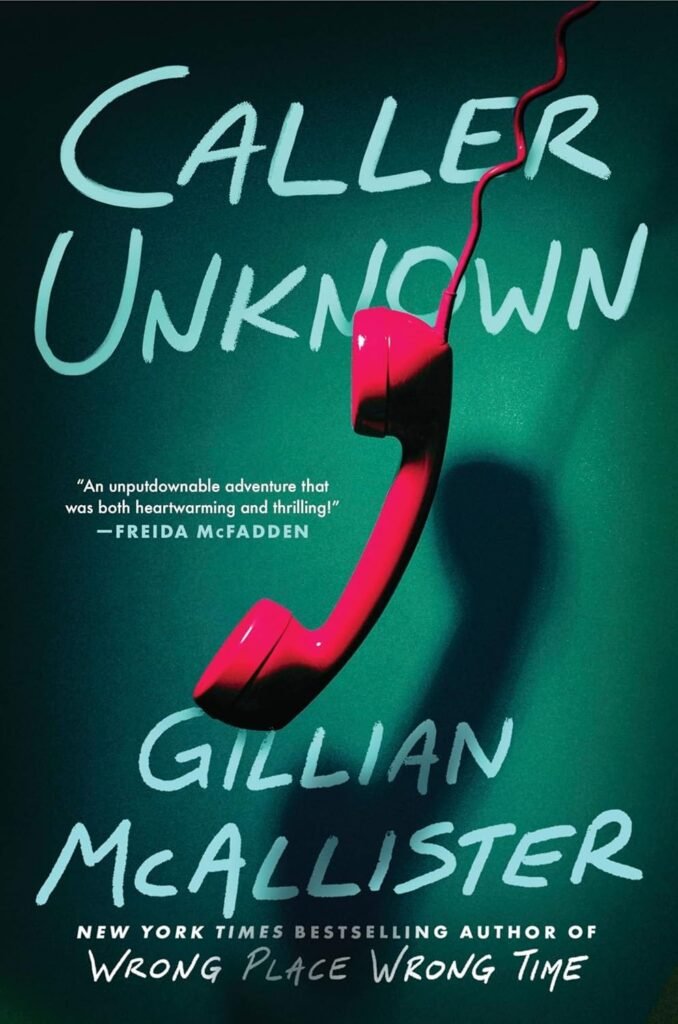
The premise of Caller Unknown is shaky from the very beginning. Simone flies from the UK to Texas to meet her daughter, Lucy, who has spent the summer working at a camp before starting drama school at RADA. For their last week together, they choose—improbably—to camp in Big Bend National Park, a place where people die of heat and exposure every summer. On their first morning, Lucy is gone, a phone in her place, and Simone is told not to involve the police.
This should be the setup for a gripping thriller. Instead, it becomes a story that only works if you’re willing to accept one implausibility after another. Simone is a successful chef with money, yet the idea of hiring a lawyer never seems to register, even though it would be the obvious path. Again and again she makes the least believable choice, and the novel insists this proves her devotion. To me, it read as enabling. She is so desperate never to offend Lucy that she allows decisions no sane parent would make.
That mother–daughter relationship is what finally undid the book for me. Simone is an unhinged parent in the way she cannot stand the idea of ever being apart from Lucy. Lucy, meanwhile, is written as one of those young people who are completely unreasonable and justified in being so. Even something as small as the catcall remark—using men’s rudeness as an excuse to be rude herself—felt less like character development and more like a statement on the patriarchy. I couldn’t root for either of them–separately or together.
The plot, the damned plot, makes no sense. The timeline is confusing, and the legal framework is presented in ways that make little sense, particularly for characters who are white, wealthy, and British. The book seems determined to pretend Simone and Lucy are powerless when, in fact, they are not. And don’t even get me started on the way Lucy sees and treats her husband, Damien. As we’ve said here many a time, reverse discrimination is a bad look and here, Damien’s love for his daughter and his right to be involved in her predicament are written as though he is less: Less capable of love–here it is only a mother’s love that truly has weight–and less allowed to act as an equal parent. I wouldn’t have liked Simone any way, but, man, the way she dismisses Damien again and again is infuriating.
What does work in the book is the writing—there are vivid scenes and stretches of real tension—but that contrast only makes the weaknesses sharper. A catastrophic chain of events unfolds, but it fails even the most basic of tests–does this make any sense at all?–and the characters are both rather icky and farfetched. I finished the novel frustrated and unlikely to read another book by this author.