
The God of the Woods
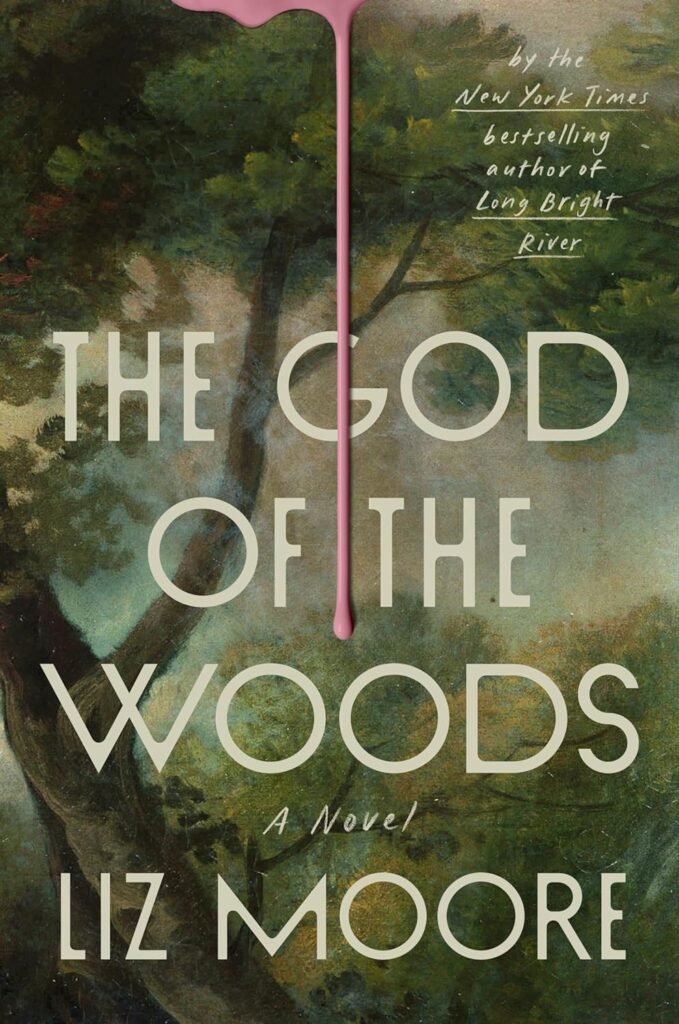
Liz Moore’s best selling Long Bright River (2020) is both a very good thriller and a brutal examination of a community and a family destroyed by addiction. It’s the sort of book MFA students dream of publishing–literary, adored by critics, socially incisive. Moore’s latest, The God of the Woods, is–and this is a good thing–just a mystery, the sort of story one picks up on a Saturday afternoon and by midnight on Sunday, finally, reluctantly finishes. It will, I suspect, be one of my favorite reads of 2024.
The novel begins in August of 1975 at Camp Emerson, a naturalist camp for kids set deep in the Adirondacks. One morning, during the end of a summer session, twelve year old Barbara Van Laar is, alarmingly, not in her bunk. Her counselor, Louise Donnadieu, is immediately panicked. Not only was Louise not in the cabin last night–she thought the junior counselor was looking after their charges. Barbara is not just any camper. She is the daughter of the wealthy Van Laars who own the camp and whose son Bear also went missing back in the summer of 1961. Soon, the whole camp and the local police are searching the mountains for Barbara.
The second narrative, set in the summer of 1961, tells the story of young Bear Van Laar and the complicated adults who surround him.
Moore’s narration skitters between these two times, in ways that, at first, confused me. The novel’s structure, however, slowly becomes a boon–the reader, in each new chapter, must use not just time and place but character development to understand where she is in the story. And though the plot unspools more slowly than many a modern mystery, the pace gives space to the people in these pages. We watch them change, learn, and adapt and, as we do so, what happened to the two Van Laar children becomes ineluctably clear.
Like all good genre fiction, The God of the Woods isn’t merely a mystery. Moore has things to say about friendships, especially those that can mold or fracture its inhabitants. For those in this story, a devoted friend may be the greatest gift and a family who loves its reputation more than its members may be the biggest threat. Or not. You’ll have to read the book to see what really happened to the Van Lear children and why.
I’ve never spent time in the Adirondacks but, after reading this book, I think if I did, their beauty and their dangers would feel familiar. Moore vividly shows how nature can be both soothing and terrifying and how an awareness the physical world can mean the literal difference between life and death.
The God of the Woods is a riveting read–its dual mysteries are both page turners. The hidden truths about the Van Laar family and the local community intertwine with the intricate web of friendships at the camp. The connections formed during that pivotal past summer resonate in the eerie present. The denouement is shocking and believable.
It isn’t perfect–I found parts of the resolution to be moderately unbelievable and, as is too often the case in current fiction, the villains of the story are villainous because of what they have rather than integrally who they are. But, these are small quibbles. Overall, this is a gripping mystery and one I recommend.