BACK TO ALL REVIEWS

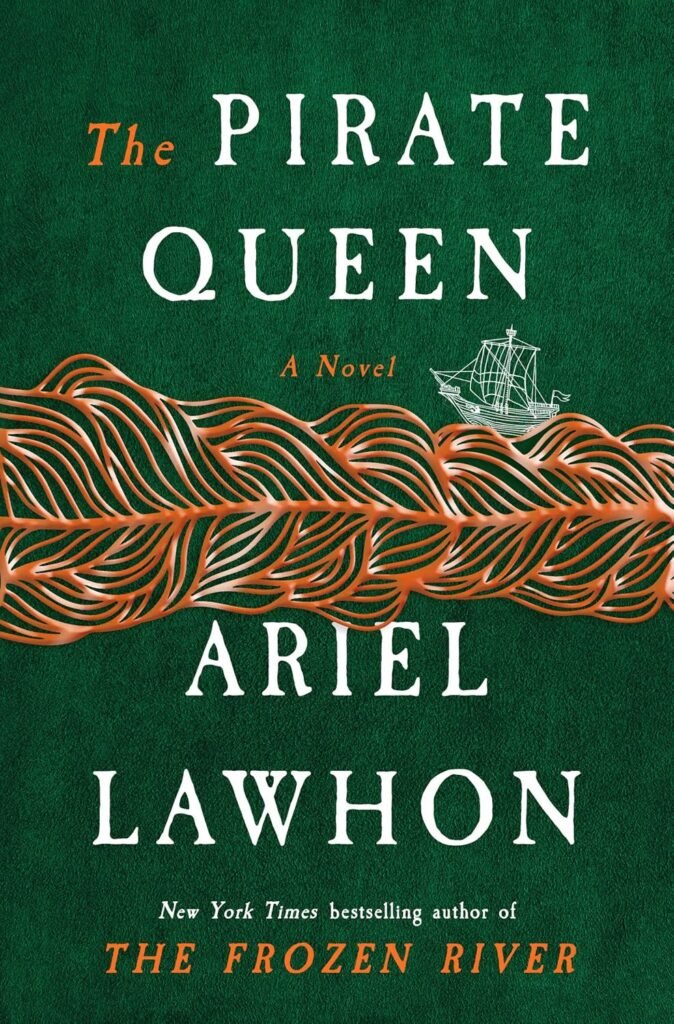
The Pirate Queen

By Ariel Lawhon

The Pirate Queen

The Pirate Queen, I’m sorry to report, is no The Frozen River. Though it too tells the story of a famous woman—here Gráinne (Grace) O’Malley, an extraordinary woman from 16th century Ireland—Lawhon’s newest novel is a slog to read and her heroine hard to like. I’m not sorry I read it—learning about O’Malley really was cool—but I wish it had been a better book.

Gráinne (Grace) O’Malley lived in an era where, despite the powerful women on the British throne, women had very little agency. Their lives were always controlled by men — fathers, husbands, brothers, uncles, sons. This setup did not suit Gráinne O’Malley. Though married off to a brute by her father for political reasons—in the early mid 1500s Ireland was loosely ruled by a set of somewhat autonomous clans—Gráinne, rather than her brother, became the head of her family’s clan. She was known as a rather brutal and savvy warrior who spent much of her life on her clan’s ships, engaging in clan wars and, yes, piracy. She even, in 1593, met Queen Elizabeth at Greenwich Palace, where Grace successfully petitioned the Virgin Queen for the freedom of her sons and half-brother. She was, history tells us, the stuff of legends.

Grace’s story is fascinating and perhaps worth reading The Pirate Queen to learn. But I warn you, the book is oddly organized—it moves again and again between Grace’s childhood, her middle years, and her old age—and it requires real work to keep track of all of her conquests, enemies, subjects, children, and other family members. It’s also routinely unclear where in time a portion of the book takes place. Incredibly, Lawhon was aware that readers might have this problem and in her author’s notes at the end of the novel suggests that readers may want to go back and reread the book in chronological order. #justsayno

Grace herself is, here, a difficult woman. While she did incredible things and was remarkably determined, she’s also vindictive and violent and lives by an eye for an eye. Her brilliance is often compromised by her pride. If you like your heroines angry and willing to win at almost any cost—especially to those who serve her—you’ll love Grace. I found her wearying.

Lawhon is an able writer and it appears her research is impeccable. And The Pirate Queen IS an interesting tale. It’s not, however, one I loved or would strongly recommend.

The Pirate Queen, I’m sorry to report, is no The Frozen River. Though it too tells the story of a famous woman—here Gráinne (Grace) O’Malley, an extraordinary woman from 16th century Ireland—Lawhon’s newest novel is a slog to read and her heroine hard to like. I’m not sorry I read it—learning about O’Malley really was cool—but I wish it had been a better book.

Gráinne (Grace) O’Malley lived in an era where, despite the powerful women on the British throne, women had very little agency. Their lives were always controlled by men — fathers, husbands, brothers, uncles, sons. This setup did not suit Gráinne O’Malley. Though married off to a brute by her father for political reasons—in the early mid 1500s Ireland was loosely ruled by a set of somewhat autonomous clans—Gráinne, rather than her brother, became the head of her family’s clan. She was known as a rather brutal and savvy warrior who spent much of her life on her clan’s ships, engaging in clan wars and, yes, piracy. She even, in 1593, met Queen Elizabeth at Greenwich Palace, where Grace successfully petitioned the Virgin Queen for the freedom of her sons and half-brother. She was, history tells us, the stuff of legends.

Grace’s story is fascinating and perhaps worth reading The Pirate Queen to learn. But I warn you, the book is oddly organized—it moves again and again between Grace’s childhood, her middle years, and her old age—and it requires real work to keep track of all of her conquests, enemies, subjects, children, and other family members. It’s also routinely unclear where in time a portion of the book takes place. Incredibly, Lawhon was aware that readers might have this problem and in her author’s notes at the end of the novel suggests that readers may want to go back and reread the book in chronological order. #justsayno

Grace herself is, here, a difficult woman. While she did incredible things and was remarkably determined, she’s also vindictive and violent and lives by an eye for an eye. Her brilliance is often compromised by her pride. If you like your heroines angry and willing to win at almost any cost—especially to those who serve her—you’ll love Grace. I found her wearying.

Lawhon is an able writer and it appears her research is impeccable. And it IS an interesting tale. It’s not, however, one I loved or would strongly recommend.