Last year, romance sold nearly 39 million print books in the U.S.—a 52% jump from the year before. The genre brought in $1.44 billion and made up almost a quarter of all fiction sales. These are astonishing numbers, the kind that suggest a field that’s thriving.
And yet, as someone who reads widely and obsessively in romance, I find myself asking a different question: why do so many of the books feel the same?
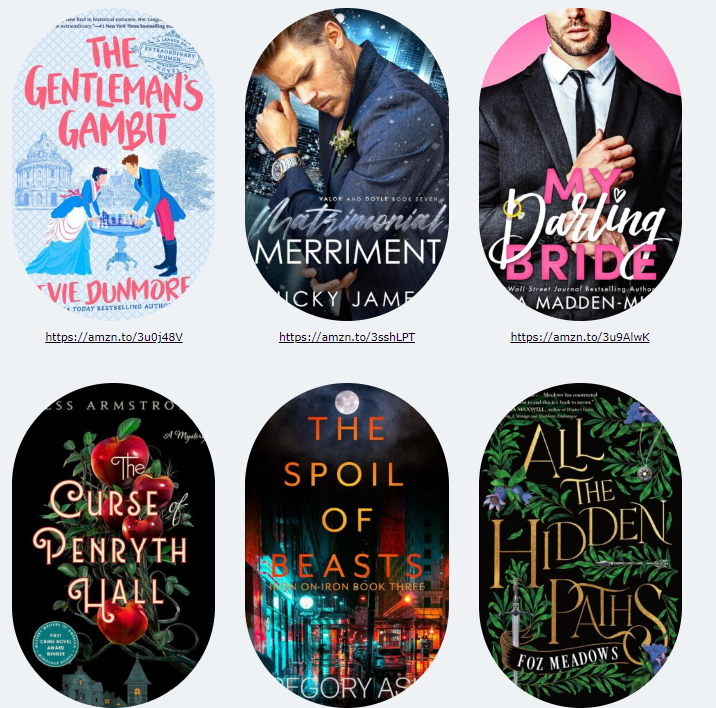
I’ve been reading romance long enough to remember when historicals dominated bookstore shelves—when every month brought new releases filled with dukes and debutantes, yes, but also with class tension, social constraint, and real historical weight. Those books haven’t vanished entirely, but they’ve become rare in traditional publishing. The few that are acquired often feel sanded down, written to today’s tone rather than their own era’s terms.
It’s not just historicals. I’ve noticed how hard it has become to find traditional romances—books published by major houses—that ask their readers to wrestle with uncomfortable ideas or characters who don’t match the prevailing sensibility. Publishing has always had limits, but those limits feel narrower now, and more tied to cultural alignment than to craft or risk.
I don’t think this is a moral failing. It looks to me like the result of structural sameness. The last time a comprehensive industry study was done, 78% of publishing staff were women, 79% were white, and 88% were straight. That was in 2016, and NPR reported in 2023 that little has changed. Most of the editors and agents I hear from are young, progressive, and based in cities. They are smart and passionate, and they love books. But they also bring their own preferences and politics to what they choose to champion (and I don’t think it’s a stretch to argue those preferences and politics tilt decidedly leftward)—and the books that pass through those filters tend to reflect those preferences back.
At the same time, publishers are leaning harder on the handful of authors who sell in massive numbers. Analyst John M. Jennings reported that 4% of books now generate 60% of publishing profits. Most books sell under 1,000 copies. Faced with those odds, publishers concentrate their energy on writers who are already proven, building whole release calendars around them. That kind of focus makes financial sense, but creatively, it has consequences. When the same voices shape what’s popular and what’s possible, even variety starts to feel predictable.
I’ve read some spectacular romances this year. But I’ve also read far too many that seem interchangeable—same tone, same worldview, same low-stakes conflicts in slightly different packaging. When I look at what’s missing, it’s not just historical romance or difficult characters–it’s complexity and the sense that being flawed–really flawed–isn’t the stuff of heroes and heroines.
Romance fiction still has enormous range, but I find more of it now in self-publishing and small presses than in the catalogs of the big houses. That shift raises questions I haven’t answered yet. Are readers really asking for safer stories, or are they just buying what’s being offered? Have we conflated comfort with clarity? And most of all: who decides what a love story should look like now?
I don’t think the genre is in trouble. But I do think something vital is being lost in the rush to serve a consensus. If you’ve noticed this shift—or if you think I’ve misread it—I’d like to hear from you. Are there stories you’ve stopped seeing in traditional romance? Are there kinds of characters, settings, or stakes that seem to have disappeared? Or is this just a moment, one phase in the genre’s long, cyclical life?
You tell me.