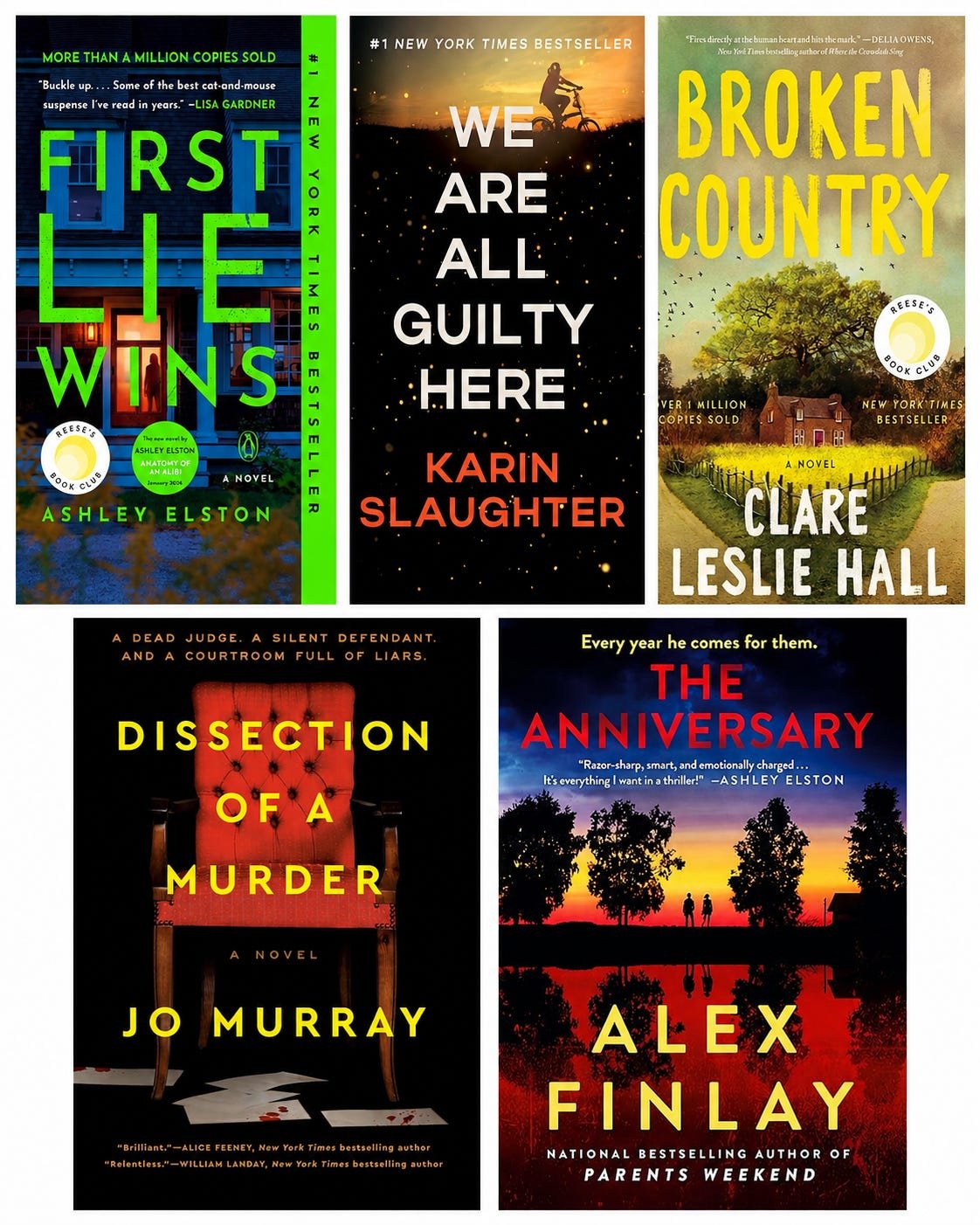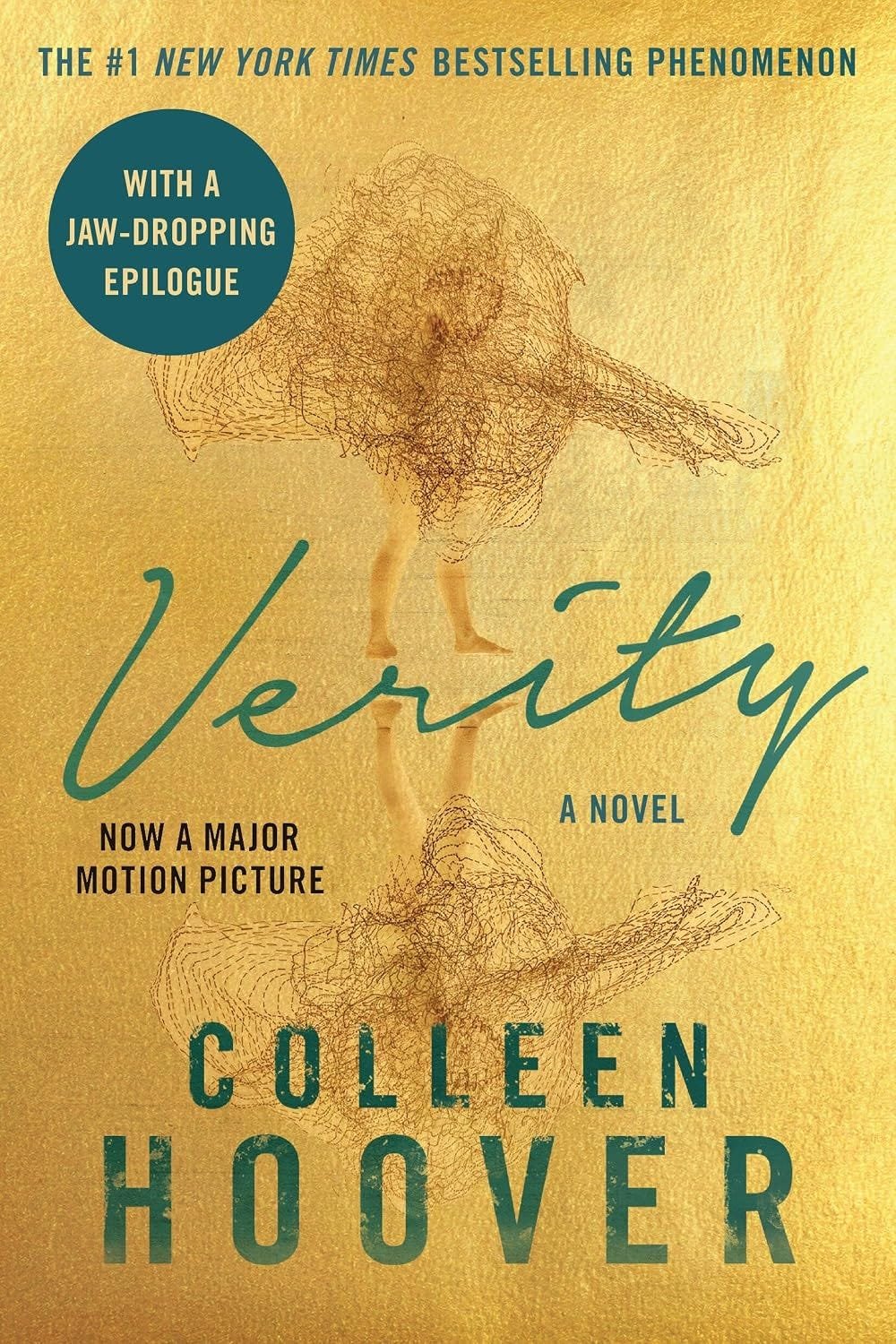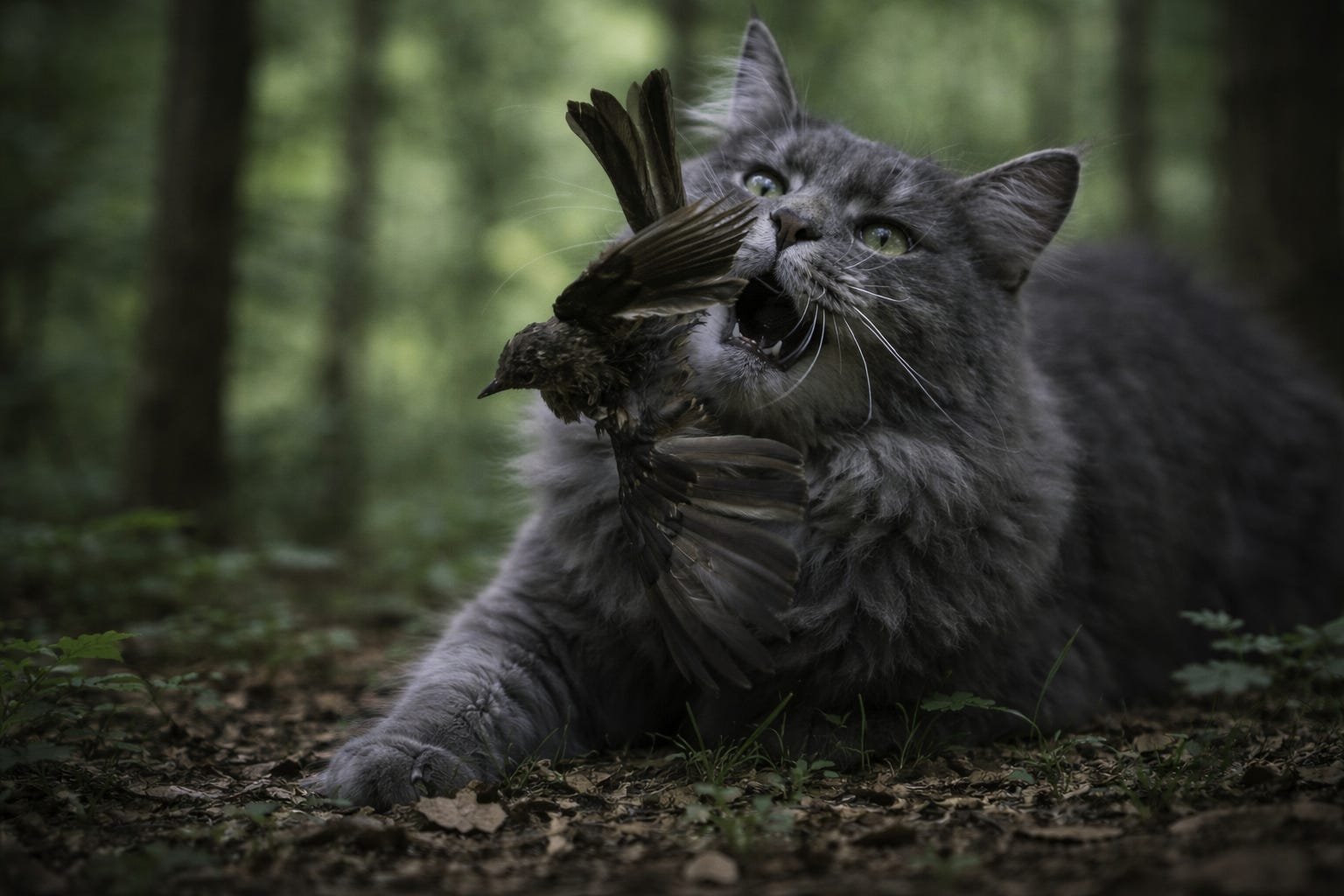
Here’s a confession: My favorite book genre is mystery. (Sorry romance.) A great mystery/ thriller has it all: character, plot, context, and a damn good reason to keep turning the pages. Over the next week, I’ll publish three lists—25 in all, in chronological order—of what I think are the best mysteries I’ve ever read. Let me know what you think.
And Then There Were None by Agatha Christie, 1939
Christie’s classic—it’s been made into at least five films and three TV series—is still the best-selling mystery of all time. It’s cunning, shocking, sly, and hasn’t an unnecessary word. I’ve read it three times and, each time, I’m more in awe of its brilliance.
Presumed Innocent by Scott Turow, 1987
When he wrote Presumed Innocent, his debut novel, Turow aimed to reinvent the murder mystery. For many readers, the novel was their first real exposure to the complex, usually morally iffy world of the criminal justice system. The book spent close to a year on the best-seller lists and has sold millions of copies. It was, when it came out, a book you absolutely did not want spoiled. (I’m still irritated at the hubris of the recent Apple TV series—if ever there was a book that did not need a new ending, Presumed Innocent is that.) None of Turow’s other books have come close to the riveting power of his first—it’s simply a marvelous read.
Postmortem (Kay Scarpetta, #1) by Patricia Daniels Cornwell, 1990
Cornwell’s debut novel is set in Richmond, Virginia and is based on a set of real, terrifying murders. It was the first mystery I’d ever read in which the most important clues were forensic—Cornwell worked in the Office of the Chief Medical Examiner of Virginia. The novel is unrelentingly suspenseful—it kept me up for the nights I read it—and introduced the world to Kay Scarpetta. (Nicole Kidman is utterly wrong for the part.) The series devolved over the years, but Postmortem is a knockout of a novel.
Smilla’s Sense of Snow by Peter Høeg, 1992
Høeg’s novel introduced America to Nordic Noir. A lit fic novel masquerading as genre fiction, the book is ostensibly a murder mystery although its ending is more ambiguous than most. Its heroine is both a Greenlander and a Dane and much of the book’s power comes from its exploration of the long tail of Denmark’s colonial relationship with Greenland. Smilla is an indelible heroine—cranky, critical, and tough—and her first-person narration is mesmerizing.
Hearts and Bones (Hannah Trevor Trilogy, #1) by Margaret Lawrence, 1996
It is a tragedy that Margaret Lawrence’s Hannah Trevor series is out of print. Her heroine is loosely based on famed midwife and diarist Martha Ballard, whom many readers recently encountered in Ariel Lawhon’s fabulous The Frozen River. Here, Hannah is determined to solve the murder of a young woman found strangled. The story is set in Maine in 1786, a time when the nation was reeling from the Revolutionary War. Women had few rights and Hannah, a pregnant widow, is in a precarious place. I highly recommend reading the whole series, if you can find it.
In a Dry Season (Inspector Banks, #10) by Peter Robinson, 1999
Robinson’s Alan Banks series is superb—and the TV show is excellent as well. My favorite of them is In a Dry Season. In it, the skeleton of a woman has been discovered, during a summer of drought, in a dried-out reservoir. Years earlier, the reservoir had replaced a village flooded for the greater good. The story is more about why than who, and trust me, any time spent with Alan Banks is worthwhile.
River of Darkness (John Madden, #1) by Rennie Airth, 1999
Airth’s first novel, River of Darkness, is more than a brilliant serial killer tale. Set in rural England in the summer of 1921, when modernity with its promises and horrors was radically reshaping England, its sense of time and place is magnificent. A family is brutally murdered and John Madden, a veteran and now Inspector for Scotland Yard, is determined to know why. The novel is both a gripping story and a history lesson. All three Madden books are superb, but the first is the most stunning.
Mystic River by Dennis Lehane, 2001
I recently rewatched, for the third time, Clint Eastwood’s Mystic River. (Sean Penn gives one of the greatest performances of my lifetime.) I like the film better than the book and I adore the book. If you’ve never read Lehane, this is the place to start.
What the Dead Know by Laura Lippman, 2007
Lippman is an underrated writer. Yes, she’s won almost every award a mystery writer can, but she’s never talked about as one of the genre’s greats. (She was, for years, outgunned by her ex-husband, David Simon.) What the Dead Know is my favorite of her books. The premise is this: thirty years ago, two young sisters went to the mall and then vanished. Now, a woman claiming to be the younger of the two has surfaced. Her story, however, raises more questions than it answers, and as the novel moves between the past (the late ‘70s are expertly rendered here) and present, the truth remains murky until the very end.
Hold Tight by Harlan Coben, 2008
Harlan Coben is successful in ways few authors are. He’s written thirty-five novels, all of which have been best sellers. His works have been made into what seems like endless Netflix series and he’s sold almost 100 million books. He is a sap, in all the best ways—almost every one of his stand-alone novels is a love story wrapped in a thriller. I always enjoy his books, and if I were recommending just one, it would be Hold Tight. It’s a story about children and their parents and the early days of internet surveillance by the latter on the former. It’s a great read by a great author and seems as relevant today as it did when it was published.