One of the questions I keep coming back to as a reader is what, exactly, authors owe us when they write about ugly people, ugly beliefs, or ugly periods in history. Should fiction protect readers from language or attitudes we now find abhorrent? Or does doing so limit authors and readers in iffy ways?
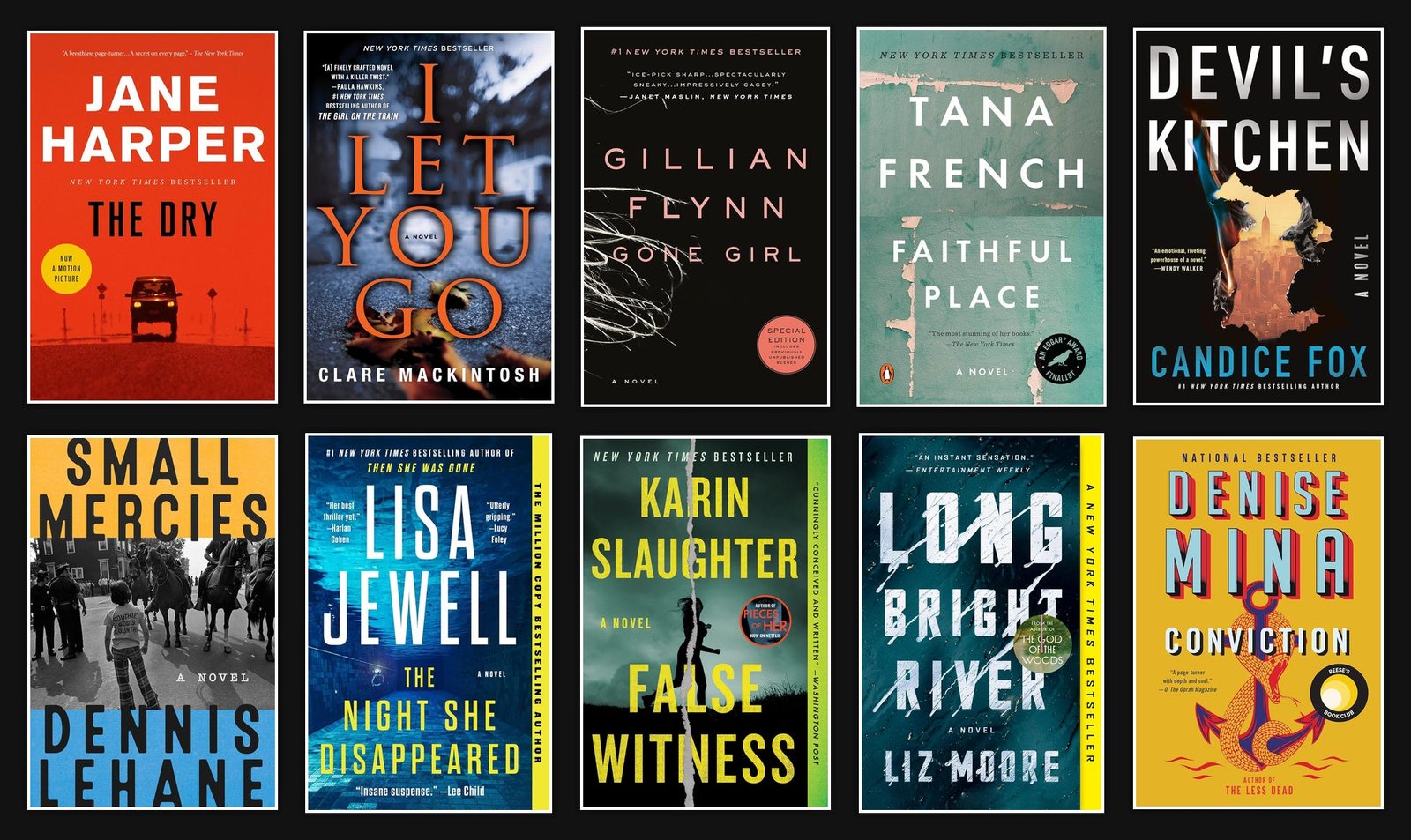
I adore Dennis Lehane’s incredible Small Mercies, chosen this week by NYT readers as one of the best hundred thrillers of this century. Set in Boston in the summer of 1974 and focused on the city’s violent response to the forced integration of its schools, it’s not for the sensitive reader. The main character, Mary Pat, is a bitter, alcoholic racist who, when her daughter vanishes, takes on the Irish mob, the police, and, from her perspective, all of Boston to find her child.
Our world was, obviously, a different place in 1974. Much of America was comfortable with and unashamed about its biases. It was an era when kids—I was one—grew up telling dumb Polack jokes, when the n-word was commonly used, and when same-sex relationships were treated with, at best, mocking humor and, at worst, violence. On the yellow buses I took home from school, kids taunted other kids about their weight, their dentition, and their ethnicity, and the bus driver paid not a whit of attention. (When I got braces in fifth grade, the kids on my bus in Bloomfield Hills chanted for what seemed like miles, Tinsel Teeth Duck! Tinsel Teeth Duke! My best friend Suzie, who’d not yet gotten her teeth fixed, heard Buck Tooth Ribbit, Ribbit, Ribbit. Buck Tooth Ribbit, Ribbit, Ribbit.)
In Small Mercies, Lehane writes Boston as it was. As he wrote, he was well aware that the language he wished to use would, for some readers, be unacceptable. He felt, however, that it was necessary to tell the story he wanted to tell. In this incisive interview at Shondaland, he said:
I’m not dialing this back. I’ll modulate it. I appreciate the need for nuance in some of this, but I’m not dialing it back fully. What we did was, we went in, and we looked at any place where it wasn’t clear that these words were coming from Mary Pat’s consciousness; they weren’t coming from the authorial voice. That was the key. We were very scrupulous about that. […] I know this book is going to be brutal to read, and it’s going to be shocking to see those words. People are going to have a lot of trouble with some of it. But, man, my job is not to write to your safe space. If you can’t take it, don’t read the book. Simple as that. But it’s important that people see what the quiet part [of racism] looks like.
It will surprise my readers to hear that I huzzahed when I read this. I do not, either personally or as the publisher here, believe it is an author’s responsibility to write prose that makes readers feel safe, unappalled, or validated. And this goes well beyond Lehane or Small Mercies. Some of the most interesting fiction asks us to spend time with people we dislike, encounter beliefs we despise, or confront language and behavior we would never tolerate in our own lives.
Cranky old lady that I am, I tend to feel safe spaces may let us stay in our own worlds. This can stop us from growing and changing when we face challenges. As Alex Honnold writes, being fearful of something helps us differentiate between real, physical danger and general anxiety. We can avoid the offensive language and characters we wish and determinedly insulate ourselves from society’s evils, but that doesn’t stop the world from being full of terrors.
None of this means that readers have to read everything, or that every use of offensive language is artistically defensible. Authors can be clumsy, gratuitous, or cruel. Readers can close a book. They can hate it. They can say why. But that seems to me quite different from arguing that certain characters, words, or ideas should not appear on the page at all.
I’m with Mr. Lehane. No author owes a reader a safe space. A reader can choose not to explore tomes they’re sure will upset them—this assumes they have a Goodreads account where spoilers and trigger warnings abound—or they can abandon works the moment they encounter a word or idea they consider dangerous. Let novels be free to challenge, transform, inspire, and entertain. Keep gatekeeping private—you do you and let books be books.